Vehicle Identity Protection: Safeguarding Your Car from Number Plate Cloning
When you think about car crime, you probably imagine theft of the vehicle itself, or maybe a break-in to grab a satnav. But there is a quieter, more insidious threat that has grown with the rise of digital enforcement: number plate cloning. This is where a criminal copies your registration mark onto an identical model of car, effectively stealing your vehicle's identity. The consequences can be severe, from fines and penalty points landing on your doorstep for offences you did not commit, to more serious implications if the cloned vehicle is used in criminal activity. This is where vehicle identity protection becomes not just a useful service, but a necessary part of modern car ownership.
What is number plate cloning and why should you care?
Number plate cloning, also known as registration plate cloning, is exactly what it sounds like. A criminal finds a car that matches the make, model, and colour of a vehicle they want to use for illegal purposes. They then create a replica set of number plates bearing that car's registration mark. The cloned vehicle can then be driven through ANPR cameras, speed cameras, and even past police patrols with a much lower risk of being stopped. The unsuspecting owner of the original car is the one who receives the penalty notices, congestion charge demands, and sometimes even visits from the police.
The problem is more common than many drivers realise. It preys on the fact that most people do not check their vehicle's identity status regularly. They assume that if no tickets arrive, everything is fine. But the damage can be done long before any paperwork lands. And by then, proving your innocence requires time, evidence, and a lot of patience. That is why vehicle identity protection, when done properly, focuses on early detection and prevention rather than just cleaning up after the fact.
How number plate cloning actually works
To clone a number plate, a criminal does not need to break into your car or even see it in person. They can simply note down a registration from a car park, a roadside, or even a photo posted online. If their vehicle is a close match - same model, similar colour - they can order replica plates from some online sellers with minimal checks. The cloned plates are then fitted to their car, and they drive with near-impunity. The victim only finds out when a penalty charge notice arrives, or when their insurance renewal suddenly spikes because the cloned car has been involved in an accident.

There are also cases where cloning is used to avoid paying for congestion charges, tolls, or even fuel. The criminal fills up at a petrol station and drives off. The automatic number plate recognition (ANPR) system logs the plate, and the bill is sent to the registered keeper - you. Proving that you were miles away at the time requires evidence, and even then, the process of getting the fines cancelled can be drawn out and stressful.
Why standard checks are not enough
Many drivers rely on the DVLA's vehicle enquiry service to check if their registration is linked to the correct make and model. That is useful, but it only tells you what is on the database. It does not alert you when something changes, or when a penalty is issued to your plate. By the time you find out through a letter, the clone has already been used. That is why proactive vehicle identity protection services have emerged. They monitor your registration across various databases and alert you to any activity that does not match your known usage patterns. Think of it as a credit monitoring service, but for your car's identity.
Some people assume that having a personalised or private registration makes them immune. It does not. In fact, distinctive plates can sometimes draw more attention from criminals who want a plate that is less likely to be flagged by police. The real protection lies in monitoring and verification, not in the plate itself.
What to look for in a vehicle identity protection service
Not all services are the same. Some simply offer a one-off check, while others provide ongoing monitoring. The key features to consider are:
- Real-time alerts when your registration is used in a penalty or enforcement action
- Verification of your vehicle details against official records
- Support in disputing false penalties if your plate has been cloned
- Coverage across multiple enforcement systems, not just one region
- A clear process for what to do if a clone is detected
The idea is to catch the problem early, before the fines pile up and before your driving record is affected. Some services also offer help with the paperwork involved in proving that you were not at the scene of an offence. That can be a real time-saver when dealing with different councils and enforcement agencies.
How protect-a-plate vehicle identity protection works in practice
One example of a service that takes this proactive approach is protect-a-plate vehicle identity protection. It is designed to give car owners a layer of defence between their legitimate vehicle use and the misuse of their identity. The system checks your registration against multiple data sources and flags any activity that seems out of place. If someone uses your plates in a different city while your car is parked at home, you get an alert. That early warning is crucial because it gives you time to act before the situation escalates.
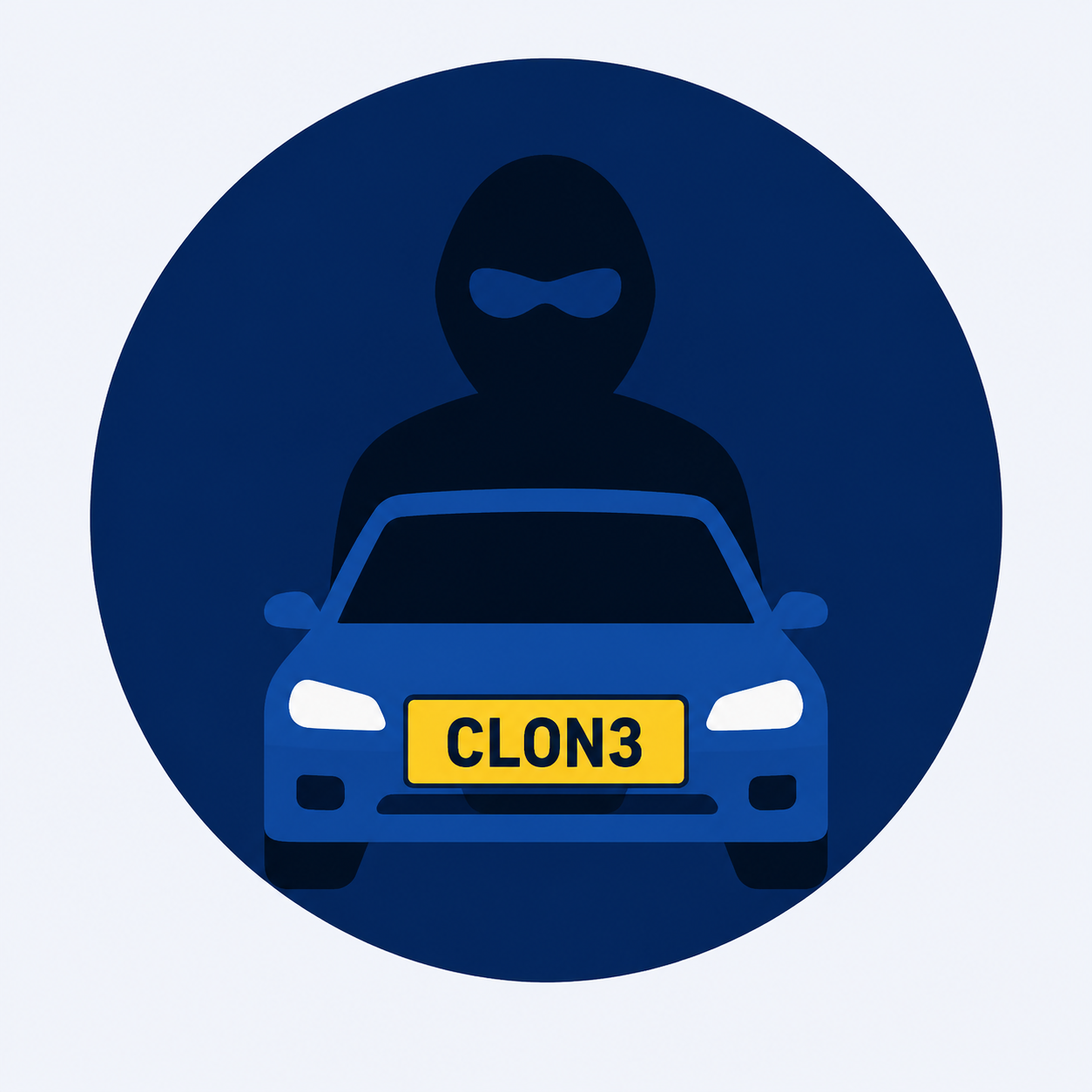
This kind of protection is particularly valuable for owners of popular car models that are common on UK roads. If you drive a silver hatchback or a dark-coloured saloon, your car is statistically more likely to be cloned simply because there are more similar vehicles out there. But even owners of less common cars can be targeted, especially if their plates are seen frequently in public places.
Steps you can take on your own
While a monitoring service is the most comprehensive option, there are also things you can do yourself to reduce the risk of cloning:
- Check your vehicle's record on the DVLA website regularly, at least once a month
- Keep an eye on any penalty notices or fines that arrive, even if they seem minor
- Be cautious about posting photos of your number plate on social media or car forums
- Use a secure, monitored parking location where possible
- If you sell your car, ensure the registration is properly transferred or cancelled
These steps are not foolproof, but they build a habit of vigilance. Combined with a service like protect-a-plate vehicle identity protection, they create a much stronger defence. The key is to act before the clone causes real damage, not after.
The bigger picture: identity crime on the road
Number plate cloning is just one form of vehicle identity theft, but it is the most common because it is relatively easy to do. As enforcement agencies rely more on ANPR and automated systems, the incentive for criminals to clone plates grows. The technology that catches speeders and manages traffic also creates a vulnerability: if the system trusts the plate, and the plate is fake, the system trusts the wrong person. That is why vehicle identity protection is not just about avoiding fines. It is about maintaining the integrity of the identity that the state uses to link you to your car.
There is also the risk of being linked to more serious crimes. If a cloned vehicle is used in a robbery or a hit-and-run, the police will come to the registered keeper first. Even if you are quickly eliminated as a suspect, the process is stressful and can take time. Having a clear record of your vehicle's location and a monitoring system that can prove your plate has been cloned makes a huge difference in those situations.

Is it worth the investment?
For many drivers, the cost of a monitoring service is small compared to the potential hassle of dealing with cloned plates. The time spent disputing fines, the anxiety of not knowing what else the clone has been used for, and the possible impact on insurance premiums all add up. protect-a-plate vehicle identity protection offers a way to stay ahead of the problem. It is not about being paranoid; it is about being practical. The roads are full of data-gathering systems, and your number plate is the key that links you to all of them. Keeping that key secure is just common sense.
In the end, vehicle identity protection is about peace of mind. You should not have to worry every time a letter arrives from a council or a police force. With the right checks in place, you can relax knowing that your car's identity is being watched over, and that if anything suspicious happens, you will know about it fast. That is the real value of a service that does more than just check a box once - it stays with you, every mile of the road.
 Twitter
 Facebook
 Instagram